
Plan the site
Share the property location, equipment access and what you want to use the water for.
Boreholes & water
Borehole drilling, capacity testing, irrigation and water storage for homes, farms and businesses.
Follow five stages from site planning to getting water where you need it.
Share the property location, equipment access and what you want to use the water for.
Ask what drilling depth and casing your quote covers and how additional work is priced.
Pumping and monitoring the water level helps assess available yield. Ask about test duration, what is measured and what records you’ll receive.
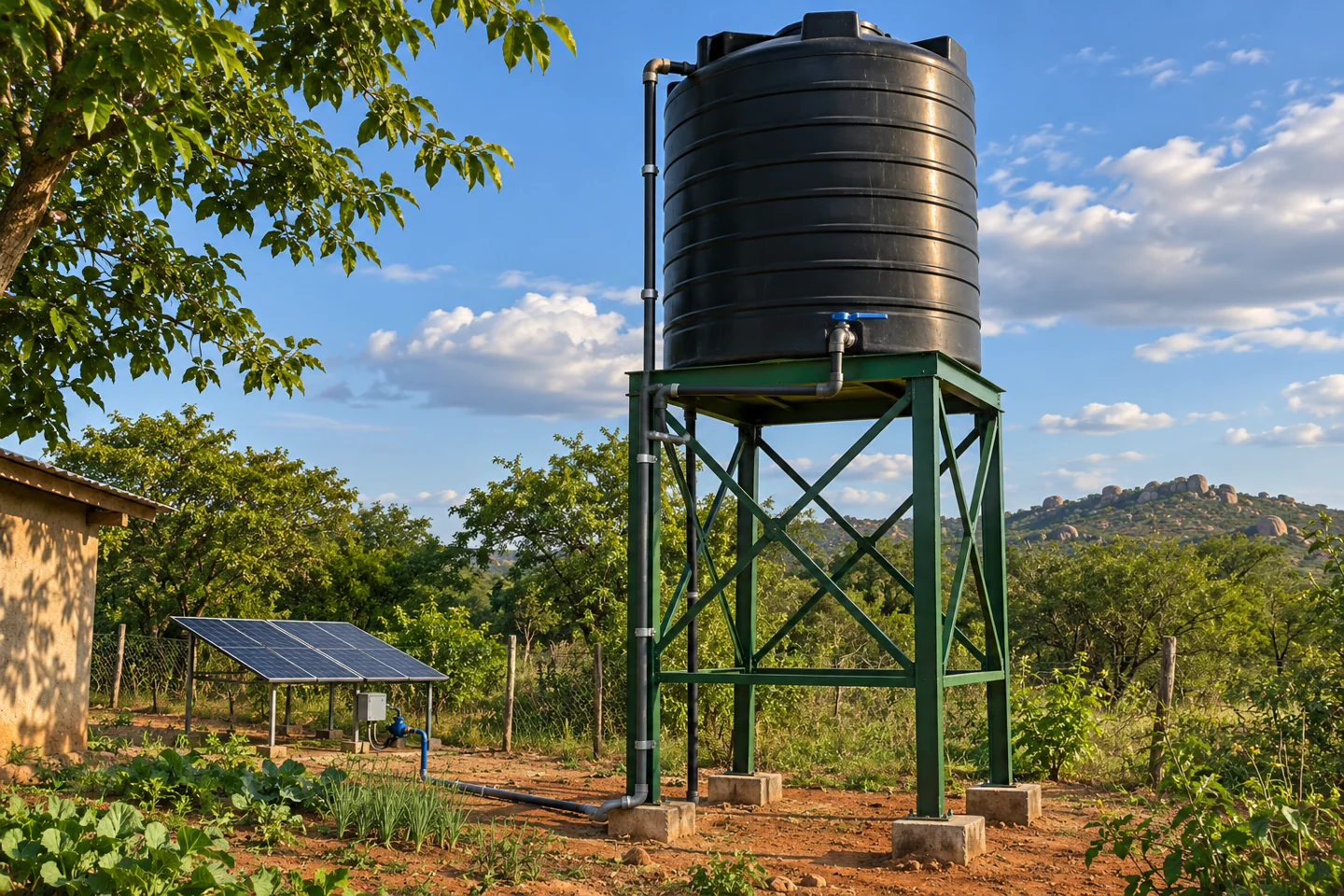
Ask about a capacity testShare the height and distance from the borehole to the tank. Ask about pump power, tank size and siting.
Compare pumps and storageDescribe the area, crops or garden, and existing lines. Ask how the layout can use the available water supply.
Ask about irrigationAsk which stages apply to your site and what each one includes.
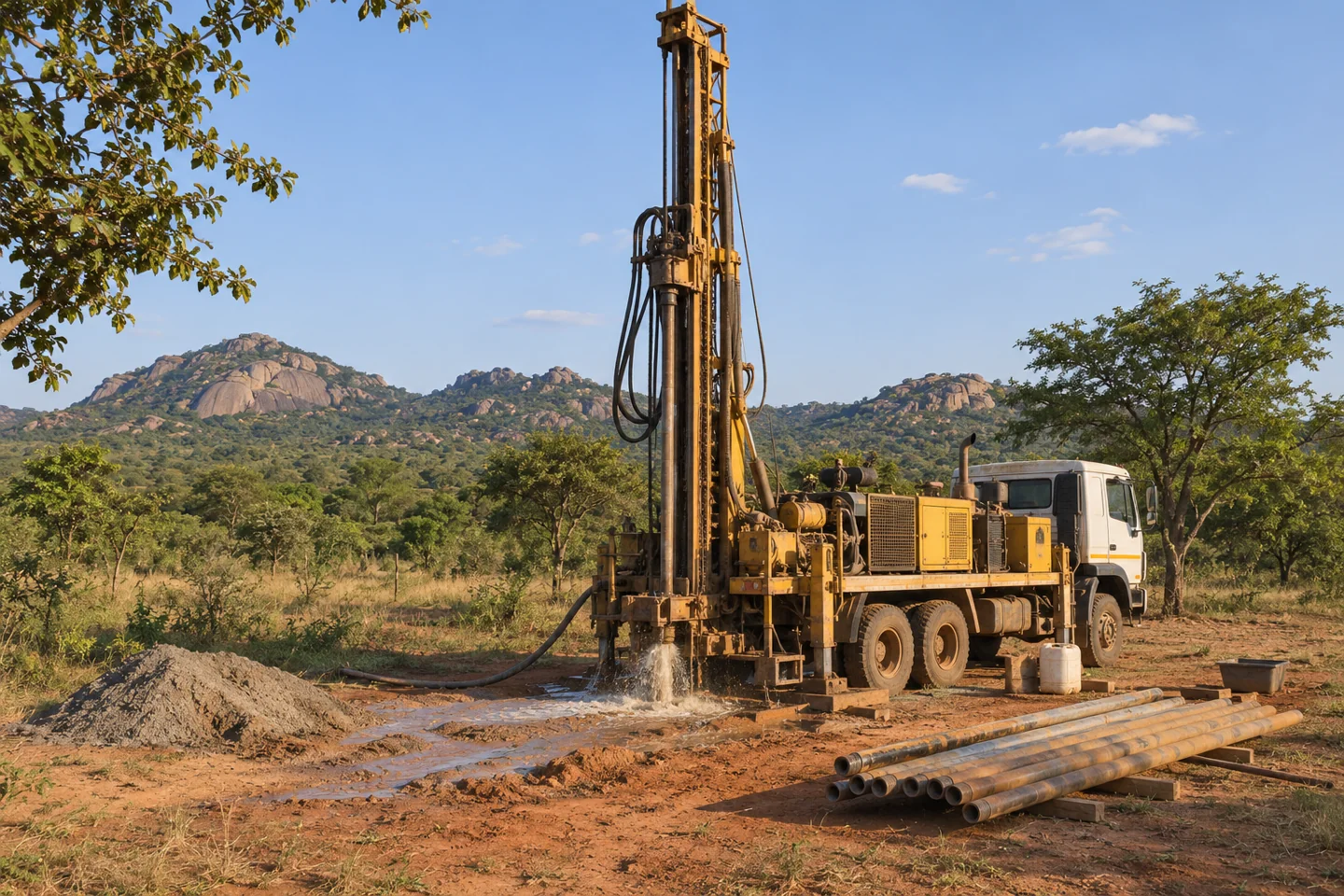
Share the location, access route and intended water use. Ask about a site survey and space for the drilling equipment.
Ask what depth and casing the quote covers, how extra depth is priced, and how the water yield will be assessed.
Discuss your power supply, expected daily water use, and where a tank and stand could fit.
Existing boreholes
Tell the team its depth and casing diameter if you know them. Share details of your current pump, how far the water must travel, and whether you have grid or solar power.
Share the location, existing borehole depth if known, pump details, and any previous readings or changes in output. Ask the team what access and power the test needs.
Ask for a breakdown of siting, drilling depth, casing, site access and any pump or tank installation. Confirm what will be charged if the scope changes.
Yes. Shortlist equipment, a capacity test, or irrigation in the marketplace. The team can discuss what fits your existing setup.
Include your site location, whether this is a new or existing borehole, access for equipment and what the water will be used for.
Open the original photo of the elevated water tank in the business’s gallery.